

Code for Tucson

Civic hackers building a better Tucson — together.

Join us

Code for Tucson is the Tucson chapter of the Code for America Brigade. We are a group of volunteer civic hackers working together to solve local issues and help people engage with the city.

Code for America Brigade Captain Helmet

Come to our next meeting

First and third Tuesdays. Casual meetups for geeks, activists, policy makers, and journalists.

Our calendar →
Community icon

Join the discussion

An open conversation online about Tucson, what we're doing now, and what's next.

Learn and share →
GitHub Octocat

Join a project or start your own

Whether you're a communicator or a coder, we need you. Jump right in!

Find a project →

What we're doing

Browse all projects →

Code for Tucson creates tools, information, and experiences that serve the Old Pueblo. See a sample of our projects below, or browse the complete list here. You are welcome to dive right in!

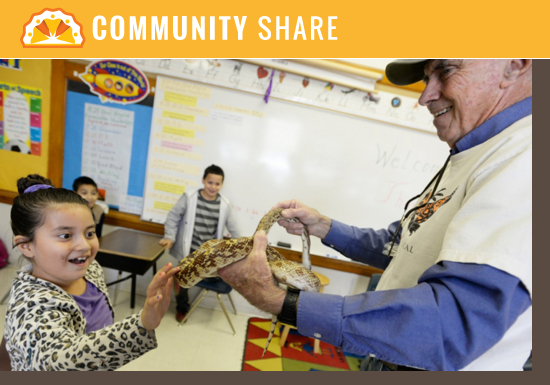
Community Share screenshot

Community Share

Lead: Kristin Wisneski-Blum, Ben Reynwar & Josh Schachter

Community Share is a project to connect educators and professionals with the goal of "Inspiring our next generation of learners & leaders." Volunteer your time with a local classroom or find professionals in fields related to your lessons that can help engage your students.

Come help with Community Share →
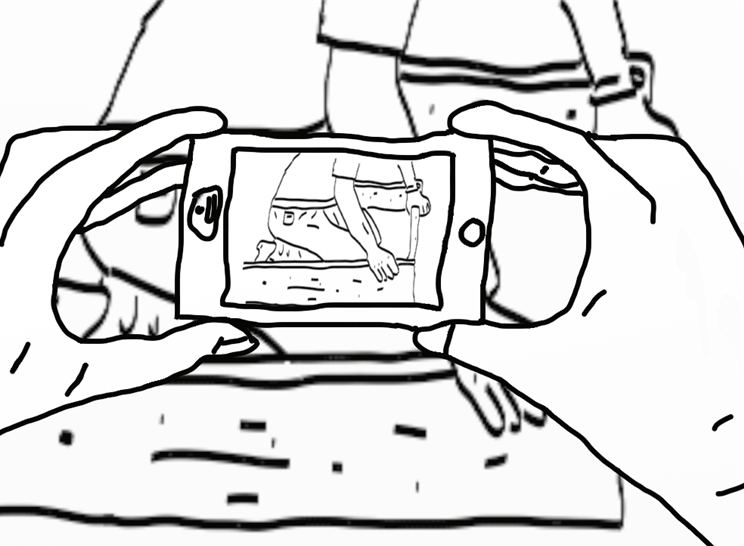
WizardMaker screenshot

WizardMaker

Lead: Paul Tynan · Contact: [email protected]

The purpose of this system is to make it much easier to create high quality, computer-assisted, step-by-step instructions (commonly called wizards). Sustainability groups and other non-profits would benefit from such a tool.

Come help with WizardMaker →
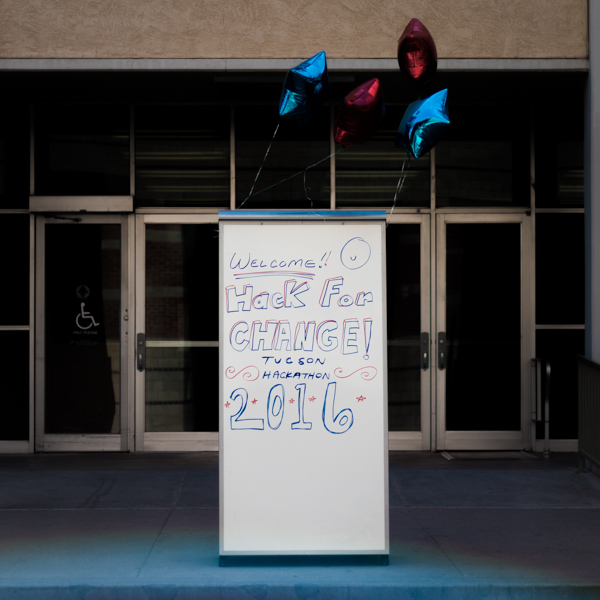
National Day of Civic Hacking 2016

National Day of Civic Hacking 2016

Lead: Inara Makhmudova

Code for Tucson gathered on the University of Arizona campus on June 4, 2016 to take part in the National Day of Civic Hacking 2016, a special event coordinated through Code for America. We brainstormed and collaborated on projects relating to food scarcity, language and job training resources, and the preservation of Tucson's birthplace.

Learn more →